
If you're searching for how to cure IBS permanently, you're probably tired of dealing with bloating, cramps, and unpredictable digestion. The truth is, IBS does not usually disappear overnight. Still, with the right IBS treatment, diet changes, and lifestyle support, many people reach long-term relief where symptoms barely affect daily life.
This guide explains what really helps, from building a balanced IBS diet to understanding IBS foods to avoid and managing triggers like stress. Instead of quick fixes, you'll learn practical steps used by UK health professionals to control symptoms, improve gut health, and create a sustainable plan that works for the long term.
Understanding IBS: Why Permanent Cure Is Complicated
Before looking at treatment options, it helps to understand how IBS works. IBS is not caused by one single issue. Instead, it involves several factors working together:
- Gut sensitivity and irregular bowel movements
- Changes in gut bacteria and digestion
- Stress and emotional triggers
- Certain foods or dietary habits
Doctors describe IBS as a condition influenced by the gut-brain axis, meaning the nervous system and the digestive system constantly communicate.
Because of this, there is no universal one-step cure. However, many people achieve long-term relief by addressing triggers rather than chasing a single solution.
What Curing IBS Permanently Really Means
When people search for how to cure IBS permanently in the UK, they often expect medication alone to solve the problem. In reality, most specialists focus on symptom remission.
Long-term control usually includes:
- Improving gut balance through diet
- Reducing stress and inflammation
- Supporting digestion with tailored treatment
- Identifying personal food triggers
Many patients reach a stage where symptoms are rare or mild enough to feel like a cure. The key is consistency and personalised care.
IBS Treatment Options Backed by UK Guidelines
A successful IBS treatment plan usually combines several strategies rather than relying on a single remedy.
1. Lifestyle Foundations
UK guidance highlights simple habits that form the base of IBS management:
- Eating regular meals and avoiding long gaps between eating
- Drinking enough water and limiting caffeine or fizzy drinks
- Staying physically active
- Creating relaxation time to reduce stress levels
Even though these changes may seem simple, they directly affect gut movement and nervous system balance.
2. Soluble Fibre and Gut Support
Research shows soluble fibre, such as ispaghula husk or oats, may help reduce symptoms. Insoluble fibre, like wheat bran, may worsen bloating for some people.
Start with small amounts and increase gradually to avoid discomfort.
3. Medication When Needed
Doctors may recommend:
- Antispasmodics for cramps
- Loperamide for diarrhoea-dominant IBS
- Laxatives for constipation-dominant IBS
Medication is usually combined with dietary support rather than used alone.
IBS Diet: The Most Powerful Long-Term Strategy
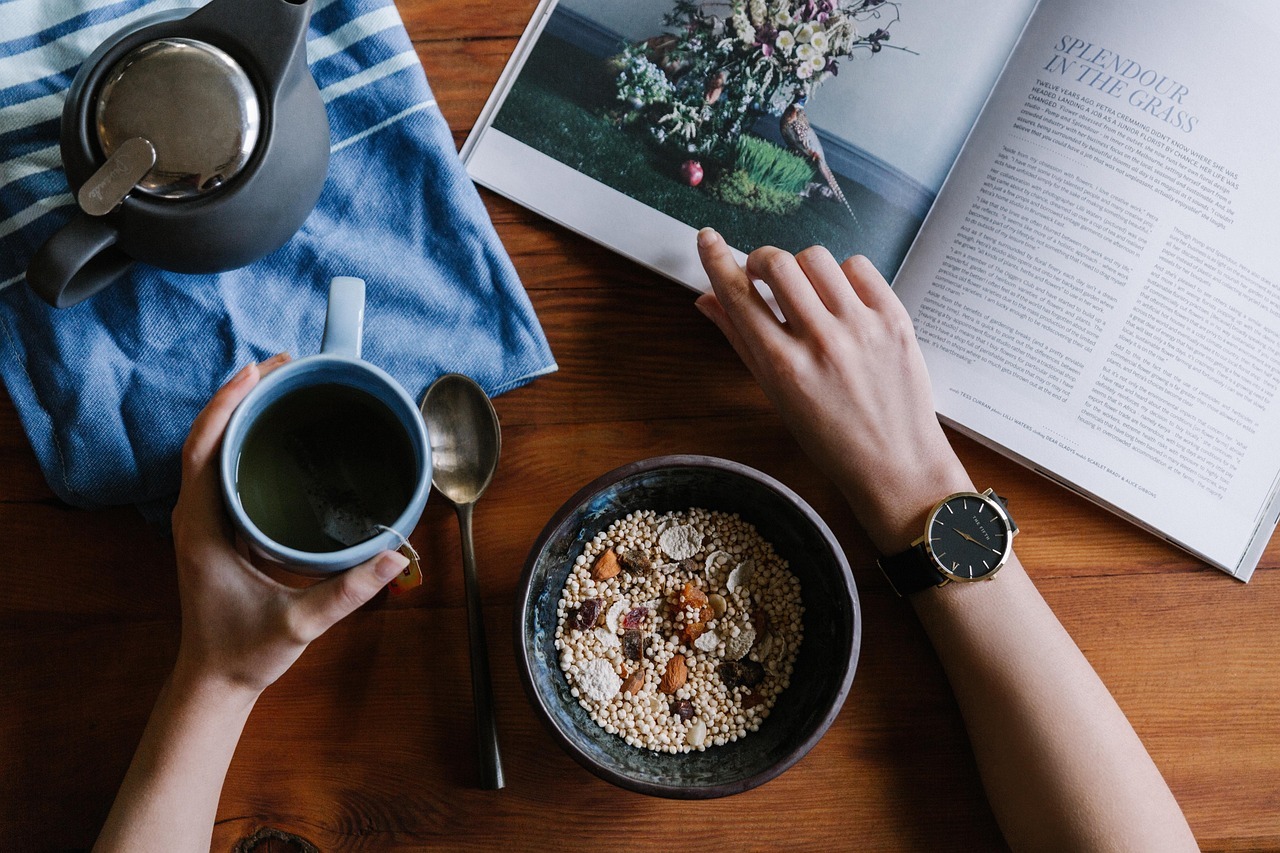
Diet is one of the most effective tools for managing IBS symptoms. Many people searching for IBS diet advice are told to follow a low-FODMAP approach.
What Is a Low-FODMAP Diet?
FODMAPs are certain carbohydrates that ferment easily in the gut, causing bloating and discomfort. Research shows that reducing these foods can improve symptoms in many people.

Prioritise Your Health With Consultant-Led Care!
- Immediate private consultations with UK specialists.
- Accurate diagnosis & clear answers.
- Professional medical plan to move forward.
However, this diet should ideally be supervised by a dietitian because it involves three stages:
- Temporary elimination
- Controlled reintroduction
- Personalised long-term eating plan
IBS Foods to Avoid
Common IBS foods to avoid include:
- Onions and garlic
- Artificial sweeteners like sorbitol
- High-fat processed foods
- Excess caffeine or alcohol
- Some dairy products (if lactose sensitive)
Remember that triggers vary from person to person, so keeping a food diary can help identify personal patterns.
How to Cure IBS Diarrhoea Permanently: What Helps IBS-D
If you are searching for how to cure IBS diarrhoea permanently, the focus is usually on calming gut movement and reducing irritation.
Helpful strategies may include:
- Low-FODMAP diet adjustments
- Avoiding artificial sweeteners such as sorbitol
- Using medication like loperamide under medical advice
- Trying probiotics for a short trial period
Guidelines note that probiotics may help some people, although results vary and should be reviewed after a few weeks.
Some early studies suggest that nutrients such as L-glutamine may improve IBS-D symptoms, but evidence remains limited.
The Role of Gut Health and Microbiome Balance
Your gut bacteria play a big role in IBS symptoms. Diet changes influence how these bacteria produce gases and interact with your immune system.
Research highlights that diet adjustments affect intestinal inflammation, motility, and gut sensitivity.
Ways to support gut balance include:
- Eating diverse plant foods gradually
- Adding low-FODMAP fibre sources
- Trying probiotics if recommended by a professional
- Managing stress, which affects gut bacteria directly
Stress, Anxiety, and the Gut-Brain Connection
Many people overlook the emotional side of IBS. Stress doesn't cause IBS alone, but it often worsens symptoms.
NICE guidance encourages relaxation techniques, physical activity, and mindfulness to improve symptom control.
Helpful practices include:
- Gentle exercise, like walking or yoga
- Deep breathing during meals
- Cognitive behavioural therapy in severe cases
When the nervous system feels calmer, digestion often becomes more stable.
Foods That May Help Support IBS Recovery
While triggers vary, some foods are commonly easier to tolerate:
- Oats and linseeds for gentle fibre
- Berries and citrus fruits
- Lactose-free dairy alternatives
- Firm tofu or quinoa for protein
Dietitians often recommend low-FODMAP choices because they ferment less in the gut, reducing bloating.
The goal is not a strict restriction forever, but gradually building a diet that supports your body.
Can Supplements Cure IBS Permanently?
There is no supplement proven to cure IBS permanently. Some people benefit from:
- Peppermint oil for cramps
- Probiotics
- Fibre supplements
However, research shows results vary widely, and not every supplement works for everyone.
Always speak to a healthcare professional before starting new supplements, especially if you take medication.
A Long-Term Plan to Keep IBS Under Control
If you want lasting relief, think of IBS management as a structured plan rather than a quick fix.
Step 1: Identify Your IBS Type
- IBS-D (diarrhoea)
- IBS-C (constipation)
- Mixed IBS
Step 2: Build a Personal IBS Diet
Replace Uncertainty With Expert Medical Insight From A Specialist!
- Consult UK specialists immediately.
- On-site blood testing & imaging.
- Structured treatment plans.
Track symptoms, test low-FODMAP foods, and gradually reintroduce tolerated foods.
Step 3: Manage Stress and Lifestyle Factors
Regular sleep, exercise, and relaxation techniques support gut health.
Step 4: Work With Professionals
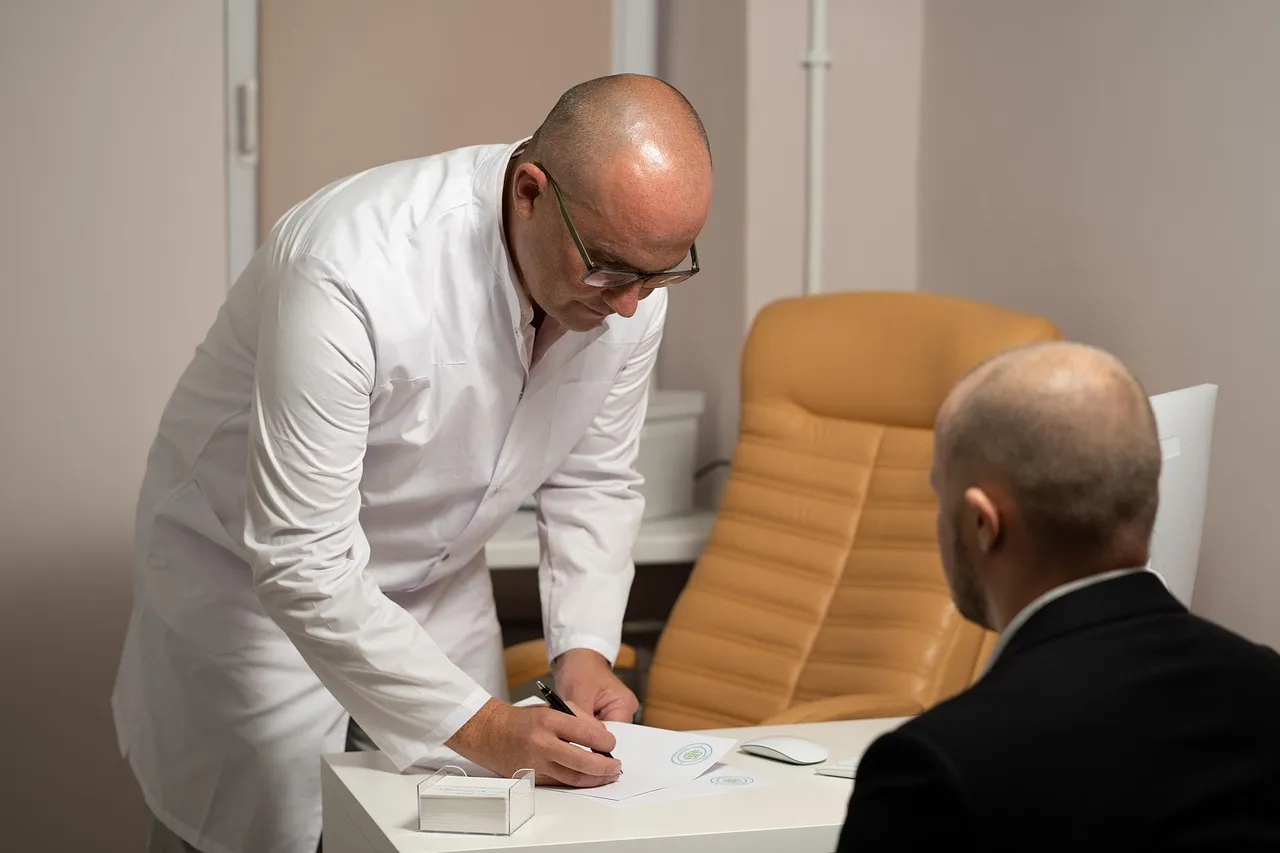
Dietitians and gastroenterologists can tailor treatments based on your symptoms.
Common Mistakes People Make When Trying to Cure IBS
Many people searching for how to cure IBS permanently fall into these traps:
- Following extreme elimination diets without guidance
- Avoiding fibre completely
- Taking multiple supplements at once
- Expecting overnight results
IBS improvement is usually gradual. Small, consistent changes often work better than drastic approaches.
When to Seek Medical Advice
Although IBS is common, you should speak to a doctor if you experience:
- Unexplained weight loss
- Blood in stool
- Severe or sudden symptoms
- Symptoms starting after age 50
These signs may need further investigation to rule out other conditions.
Final Thoughts
There is no single pill or diet that cures IBS permanently for everyone. However, many people achieve long-term relief by combining the right IBS diet, lifestyle adjustments, and medical support.
The goal is not perfection but stability. By understanding your triggers, improving gut balance, and following evidence-based strategies, you can reduce symptoms significantly and regain confidence in your digestive health.
To manage your IBS and related symptoms effectively, consult an expert gastroenterologist in Birmingham; a multidisciplinary approach is the answer to your relief.
Frequently Asked Questions
Can IBS be cured permanently?
IBS is usually a chronic condition, but symptoms can be controlled long-term through diet, stress management, and treatment.
What is the best IBS diet?
A low-FODMAP approach is often recommended under professional guidance to identify personal triggers.
Which foods should I avoid with IBS?
Common triggers include onions, garlic, artificial sweeteners, excess caffeine, and high-fat processed foods.
How long does IBS treatment take to work?
Many people notice improvement within a few weeks, but long-term management takes consistency.
Does stress affect IBS symptoms?
Yes. Stress can worsen gut sensitivity and digestive symptoms due to the gut-brain connection.