
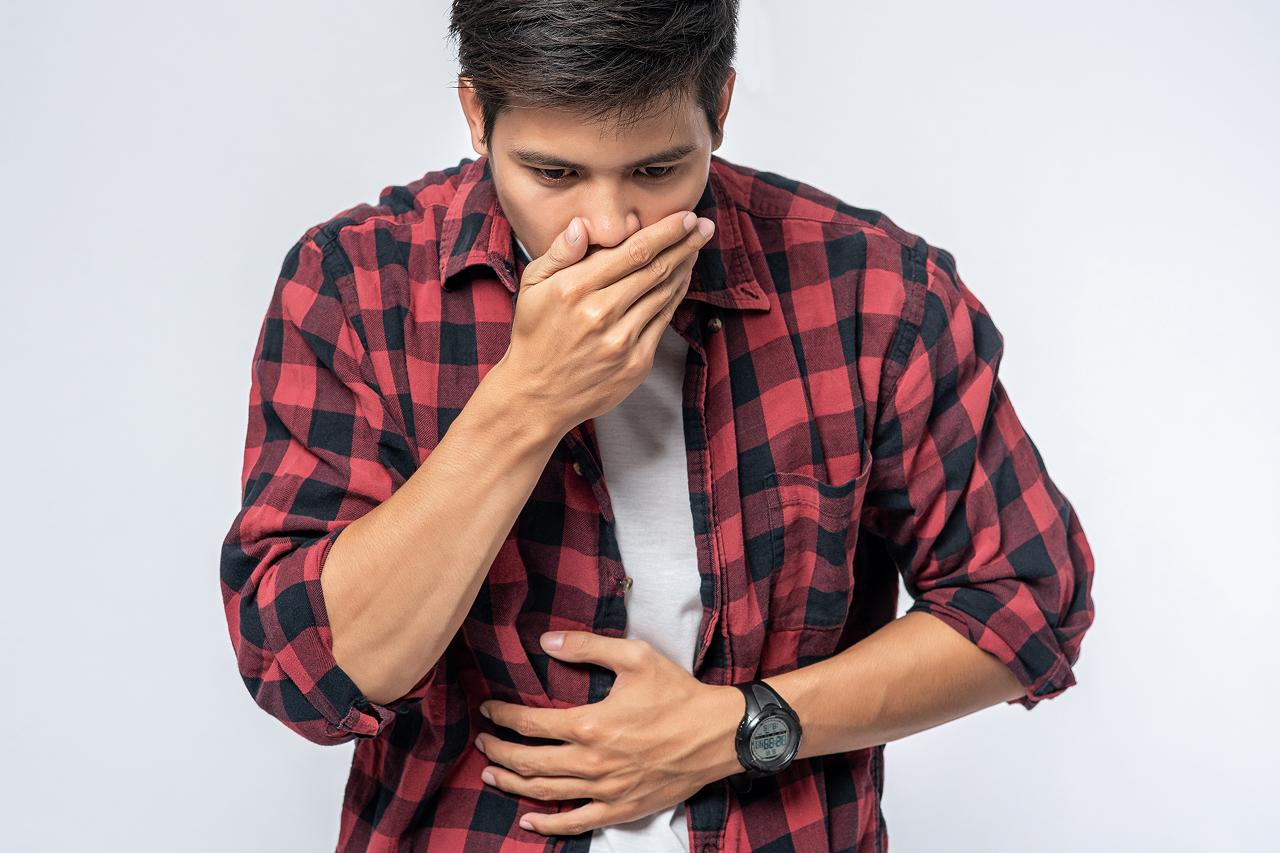
Irritable Bowel Syndrome (IBS) is not life-threatening and does not increase your risk of developing bowel cancer or other serious digestive diseases.
However, it is a chronic condition that can severely impact your quality of life, and its symptoms often mimic more dangerous conditions like Inflammatory Bowel Disease (IBD) or Coeliac disease.
Proper digestive function is vital for overall health. This guide explains the true clinical nature of this bowel disorder. It explores the underlying medical mechanisms, diagnostic steps, and evidence-based clinical solutions available to patients.
The Clinical Reality of Irritable Bowel Syndrome
Doctors classify this issue as a chronic functional disorder. If a specialist examines the intestines with a camera, the physical structure appears completely normal. The tissues possess zero ulcers. The internal walls show zero visible damage.
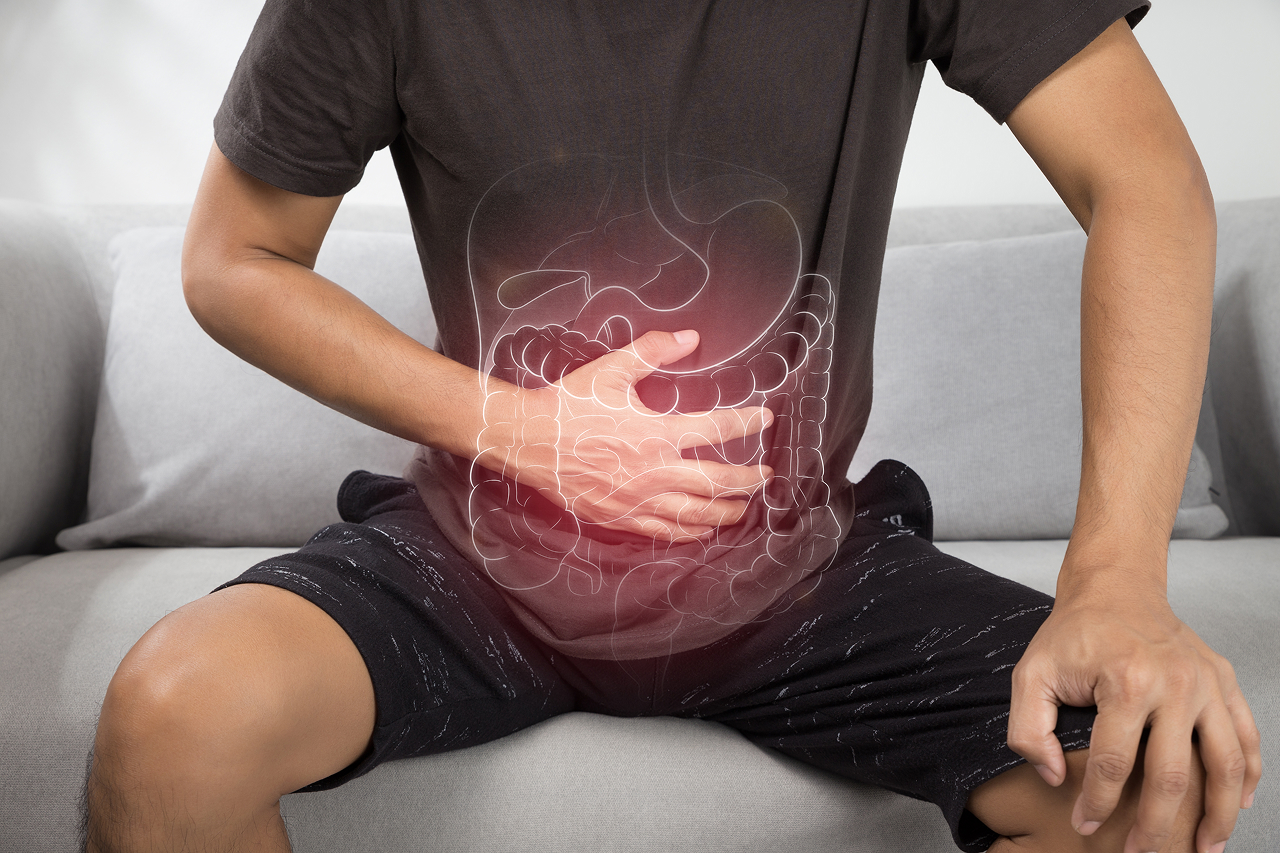
However, the gut's function fails. The muscles spasm unpredictably. The nerves become hypersensitive. Patients fluctuate between severe constipation and sudden diarrhoea constantly. It does not shorten life. Nevertheless, it drastically reduces the quality of life.
The daily burden exhausts the individual. Constant pain drains physical energy. Unpredictable bathroom habits create massive social anxiety. Individuals often decline invitations to travel. They avoid restaurants. They stay close to a toilet at all times.
This isolation damages their mental health. It creates a vicious cycle of stress and physical pain. Therefore, a proper medical plan is absolutely essential to break this cycle.
Biological Mechanisms Behind the Spasms
How exactly does this condition affect the body? The mechanism relies heavily on the complex communication network inside the human abdomen. Multiple biological errors occur simultaneously.
The Brain and Gut Connection
The brain and the gut communicate constantly. They use a massive network of nerves. The vagus nerve acts as the main superhighway. If this communication fails, the bowel acts erratically. High stress disrupts these delicate signals.
The Role of Serotonin
The human body produces a chemical called serotonin. People associate this chemical with brain mood. In fact, the gut produces ninety per cent of total serotonin. Serotonin controls the speed of digestion. An imbalance in this chemical causes the bowel to move too fast or too slow.
Bacterial Imbalance
The human colon contains billions of bacteria. These bacteria digest food. They produce essential vitamins. If bad bacteria outnumber good bacteria, severe problems occur. The bad bacteria ferment carbohydrates rapidly. This rapid fermentation creates excess gas. This gas stretches the bowel walls. It causes immense physical pain.
Hypersensitive Nerves
The nerves inside the gut become overly sensitive. A normal amount of gas feels like absolute agony to a hypersensitive nervous system. The brain amplifies the pain signals. This makes normal digestion a painful ordeal.
Erratic Muscle Spasms
Normal bowels contract in a smooth, steady rhythm. A sensitive bowel contracts chaotically. Fast, aggressive contractions cause sudden diarrhoea. Slow, weak contractions cause severe constipation.
Who Faces the Greatest Risk?
Certain individuals face a much higher risk of this specific functional condition. Medical science identifies clear patterns.
Severe Mental Stress
High stress completely alters the nervous system. It floods the body with cortisol. Cortisol disrupts the delicate signals between the brain and the stomach. Chronic anxiety almost guarantees a volatile digestive system.
Past Gut Infections
A severe stomach bug can trigger permanent changes. Doctors call this post-infectious IBS. The initial infection clears completely. However, the gut nerves remain hypersensitive for many years afterwards.

Prioritise Your Health With Consultant-Led Care!
- Immediate private consultations with UK specialists.
- Accurate diagnosis & clear answers.
- Professional medical plan to move forward.
Genetic Links
Genetics play a major role. If a parent has a sensitive stomach, a child might inherit the same trait.
Specific Food Intolerances
Certain bodies cannot process specific sugars. A lack of specific digestive enzymes forces the colon to work harder. This constant strain damages the natural bacterial balance. Lactose intolerance is incredibly common. When a patient consumes milk, their gut rapidly ferments lactose. This mimics a severe functional disorder.
Female Hormones
Women suffer from this condition much more often than men. Oestrogen and progesterone affect the speed of intestinal transit. Hormonal shifts often trigger massive bowel spasms.
Severe Danger Signs You Must Not Ignore
While the standard condition is safe, patients must not ignore severe danger signs. These signs are not consistent with standard functional disorders. They require immediate medical escalation.
Unexplained Mass Loss
If a patient loses multiple kilos rapidly without effort, they require urgent tests. Functional disorders do not cause loss of body mass.
Internal Blood Loss
Standard functional disorders never cause internal blood loss. Visible blood in the stool indicates severe structural damage.
Late Onset in Older Adults
If severe bowel changes start after the age of fifty, a doctor must perform a thorough review. The risk of serious disease increases with age.
Extreme Night Sweats
Extreme fever or heavy sweats point to a severe internal infection or a potential tumour. This requires urgent hospital care.
Severe Anaemia
If a patient feels constantly dizzy and pale, they may be iron-deficient. A functional bowel disorder does not prevent iron absorption. A doctor must investigate this iron deficiency straightaway.
Other Diseases That Mimic the Condition
Doctors must rule out other structural diseases. Many diseases mimic a sensitive bowel perfectly. A misdiagnosis causes massive harm.
Inflammatory Bowel Disease
This involves actual physical damage. It creates deep ulcers. Crohn's disease and ulcerative colitis fall into this category. They require heavy immune suppression drugs.
Coeliac Autoimmune Reaction
This is a severe autoimmune reaction to gluten. When a patient consumes gluten, their immune system destroys the small intestine. This stops nutrient absorption completely.
Small Intestinal Bacterial Overgrowth
Bacteria belong in the large colon. Sometimes, they migrate upwards into the small intestine. They consume the food before the body can absorb it. This causes massive bloat straightaway after a meal.
Gynaecological Issues
In women, conditions like endometriosis often mimic severe bloating and altered bowel habits. Pelvic tumours also press against the bowel. This creates false digestive symptoms.
Evidence-Based Treatment Strategies
A successful clinical plan requires multiple strategies. Quick fixes do not work. The medical approach occurs in specific phases.
Specific Dietary Adjustments
Diet is the most powerful tool. A professional dietitian often recommends a strict low-FODMAP protocol. FODMAPs are specific types of carbohydrates. They ferment rapidly in the human colon. They pull excess water into the bowel. They create massive gas.
Fibre Modification
Soluble fibre absorbs water. It forms a soft gel inside the gut. This regulates the bowel perfectly. Oats and linseeds provide excellent soluble fibre. On the contrary, insoluble fibre often aggravates a sensitive gut. Rough wheat bran acts like sandpaper on hypersensitive nerves. Patients must switch to gentle, soluble options.
While these treatments are highly effective, many patients also want a step-by-step plan on how to cure IBS and manage symptoms long term.
Replace Uncertainty With Expert Medical Insight From A Specialist!
- Consult UK specialists immediately.
- On-site blood testing & imaging.
- Structured treatment plans.
Targeted Prescription Medications
Doctors prescribe specific clinical drugs to control severe symptoms. Antispasmodic pills relax the smooth muscles of the gut wall. They stop sharply, sudden cramps. Loperamide slows down a fast, erratic bowel. Osmotic laxatives draw water into the bowel, softening hard stool.
Psychological Interventions
The brain controls the gut entirely. Therefore, mental calm leads to physical calm. Cognitive behavioural therapy helps patients manage their health anxiety. Gut-directed hypnotherapy shows massive success in clinical trials. It lowers overall cortisol levels. A calm central nervous system stops erratic bowel spasms at their root.
Probiotic Supplements
Certain bacterial strains calm the internal environment. A doctor might suggest a specific trial of targeted probiotics. The patient consumes them for one month to observe any clear improvement. If they fail to work after four weeks, the patient stops the trial.
Long-Term Clinical Outlook
Can a patient achieve a permanent, absolute biological cure? A complete biological cure is rare. However, the medical prognosis remains excellent.
With strict adherence to a bespoke medical plan, patients achieve deep, long-term remission. The severe symptoms fade away. The bowel acts normally most of the time. Patients regain their total freedom. They do not fear social events. They consume a wide, varied diet. They live a completely normal life. Consistency and medical guidance represent the ultimate keys to success.
Final Thoughts
Irritable bowel syndrome is a severe but highly manageable condition. It does not threaten life, but it certainly threatens comfort. The human body requires precise, consistent care to maintain optimal digestive function. When the bowel fails to function smoothly, it acts as a clear biological alarm.
Patients must not ignore these vital signals. Accurate clinical tests and targeted medical therapies provide the absolute best route to recovery. A return to stable internal balance ensures a pain-free, normal life.
Stop worrying about what it might be. Find out what it is.
If you're unsure whether your symptoms are IBS or something more serious, seeking expert guidance can provide peace of mind and a clear path forward. Consult an expert gastroenterologist in Birmingham, available at House of Health.
Frequently Asked Questions
Can IBS turn into bowel cancer?
No. IBS does not damage the bowel's tissues. Having IBS does not increase your risk of cancer. However, if your symptoms change (e.g., new bleeding), you should always be rechecked.
Why does my IBS get worse when I am stressed?
The gut and the brain are connected by the vagus nerve. When you are stressed, your brain sends danger signals to your gut. This makes the gut nerves hypersensitive, causing pain and diarrhoea.
Do I need a colonoscopy for IBS?
Not always. If you are young and have no red flags (like blood or weight loss), simple blood and stool tests are often enough. Your doctor will recommend invasive tests only when necessary.
Is there a cure for IBS?
There is no single cure, but it is highly manageable. Most patients find that with the right diet and stress management, their symptoms reduce by 70-80%.
Can I just take probiotics?
You can, but guessing is expensive. Some probiotics make IBS worse. It depends on your specific type of bacteria. It is better to consult a medical professional to determine which strain is right for you.